
Right from the beginning, Yoshinobu Nishizaki wanted Space Battleship Yamato to be different from all previous anime productions. One way to achieve that was to hire Toshio Masuda, an award-winning director from the world of live-action films who would bring his own sensibilities to the fray. Here, Masuda looks back on his important contributions to Yamato.
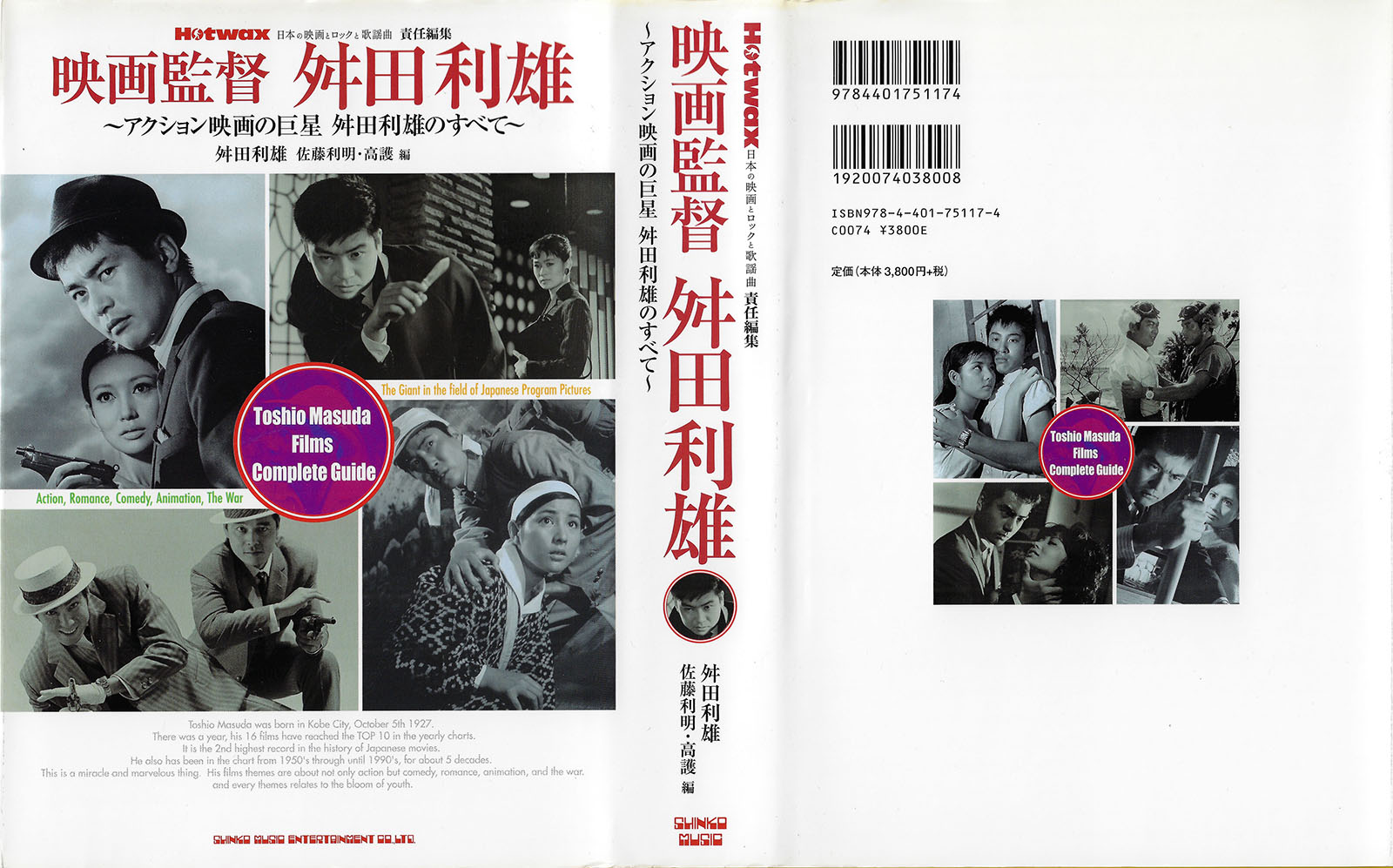
Film Director Toshio Masuda
All about Toshio Masuda, the giant of action films
Published by Shinko Music Entertainment, Nov 14, 2007
Toshio Masuda is a great film director who has created numerous masterpieces, including his debut film Journey of the Heart and Body in 1958, Nikkatsu action movies of the late 1960s such as The Boss and Crimson Shooting Star, and films from the 1970s and 80s onwards such as Hill 203, The Great Japanese Empire, and the Space Battleship Yamato feature. film series. At more than 500 pages, this is the definitive volume on Masuda’s filmography, examining all 82 of his works through interviews and commentaries.
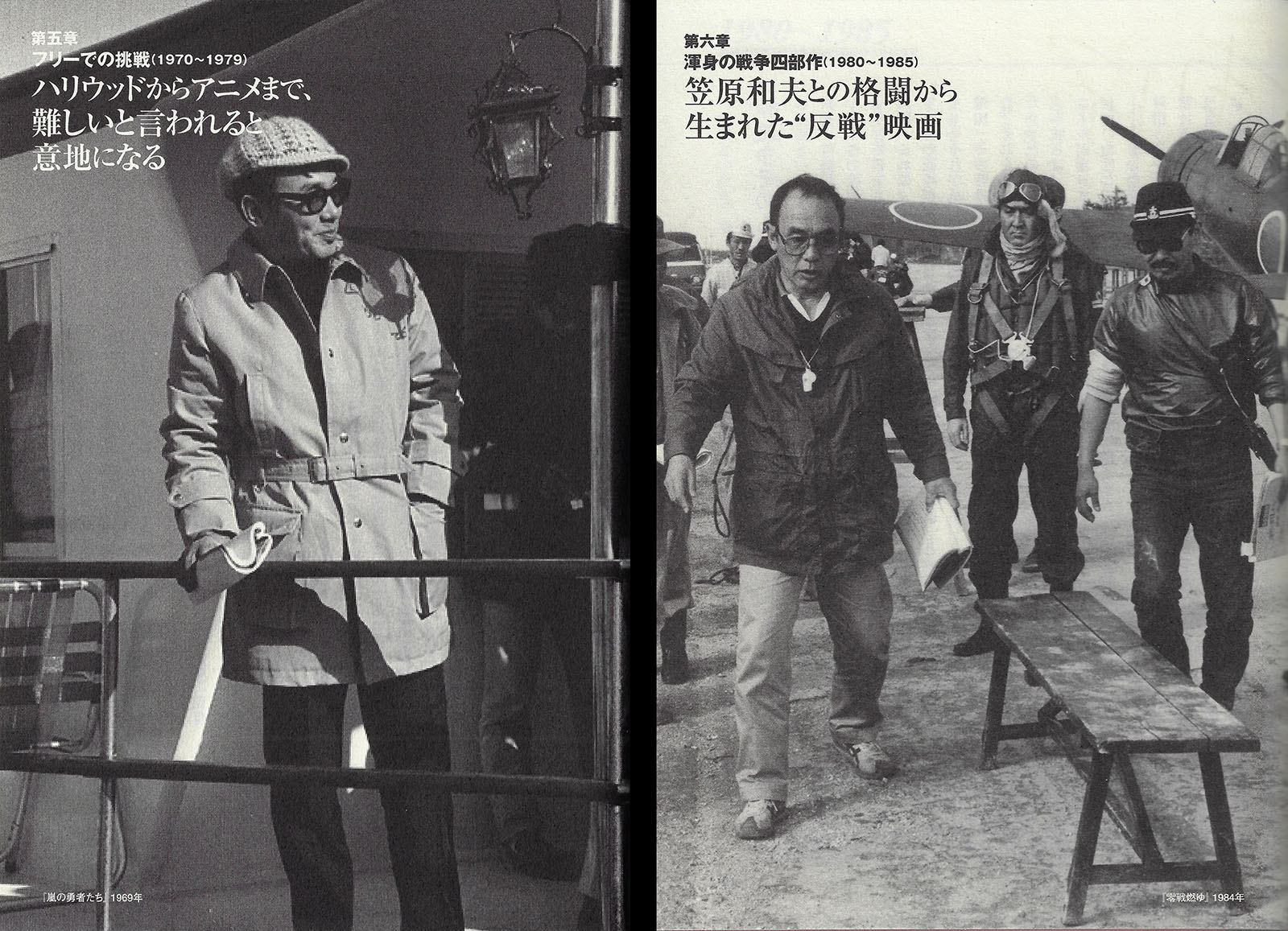
His comments about the Yamato series (and two other anime films) are excerpted below. They appeared in chapters 5 and 6 of the book.
Space Battleship Yamato
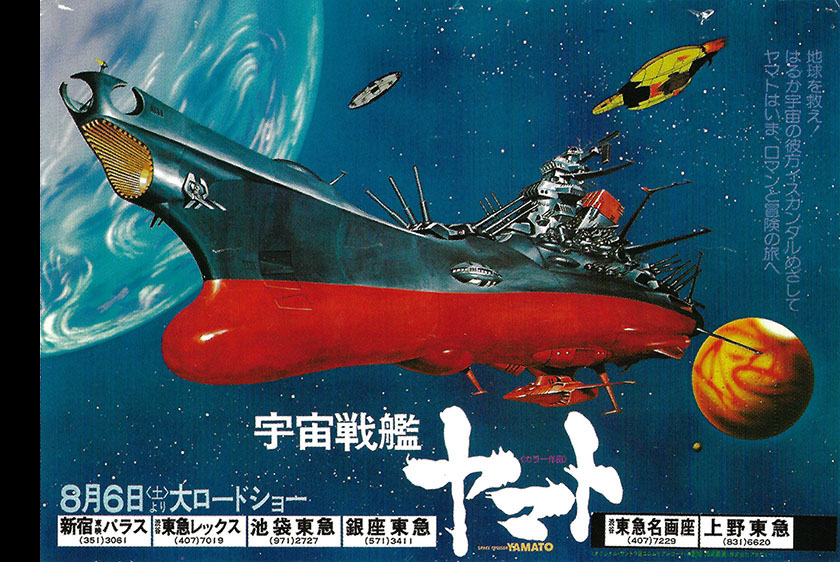
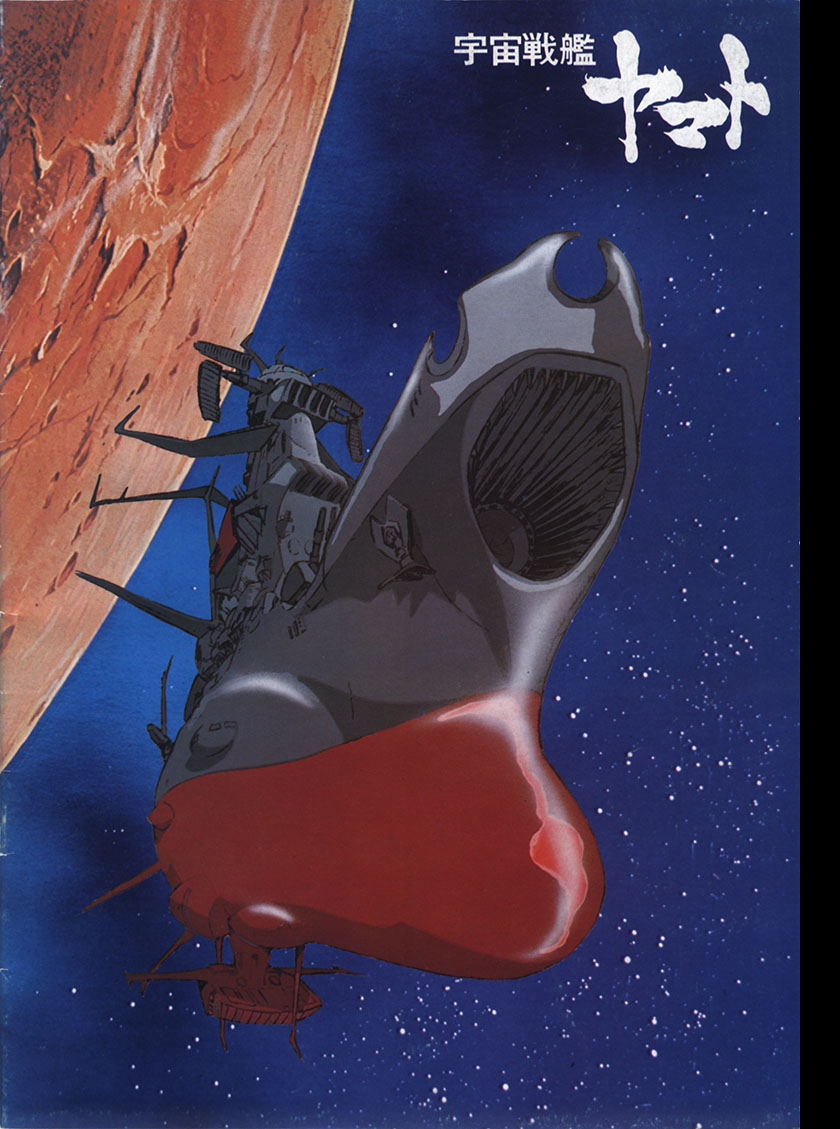
August 6, 1977, Office Academy
The 26 episode Yamato TV series, which aired from October 6, 1974 to March 30, 1975, was so low in viewership that it was shortened by one arc from the original plan. However, after the broadcast ended, reruns achieved good ratings, and a digest version was produced as Yamato‘s popularity grew. Masuda, who served as a consultant on the series, reconstructed and directed it into a solid drama. Initially, the film was only released in four theaters, but it generated such a buzz that people stayed up all night for the first day, and it was expanded into a nationwide release.
Interviewer: You’re known as the director and supervisor of the Space Battleship Yamato movie, and you also have credits on the TV version. What kind of involvement did you have?
Masuda: I was approached by Yoshinobu Nishizaki when they were planning the TV version. I had never met him before. There was a senior executive at Nikkatsu called Tsubota, and Nishizaki knew him. Through him, I met Nishizaki for the first time at the hotel Okura.
By that time, the proposal was already complete. He talked at length about how the battleship Yamato, which sank off Kyushu, would resurface and fly through space, warping and hurtling through the galaxy. He had a clear image in his mind. So, although there are people who say various things, he is the actual original author of Space Battleship Yamato.
Interviewer: What specifically did he ask you to do?
Masuda: From development of the story to the script and direction. I was asked to be the director. However, I attended about three planning meetings, and we talked about various things, but then a film project came up, so I ended up not doing the TV series.
Interviewer: In the opening credits of the TV show, there’s a caption saying, “planned by Nishizaki, supervised by Eiichi Yamamoto, Toshio Masuda, and Aritsune Toyota.” So I assumed that you made it.
Masuda: It’s not that I didn’t do anything at all, but when Nishizaki said, “I want to do this“ or “I want to do that,“ we would have meetings and discuss how to go about it specifically. He has good ideas, but they’re really abstract. To make them concrete, I would say, “how about doing it this way?” That was my job. Nishizaki credited me for composition and supervision without my permission.
However, making anime and making a live action film are completely different things. With animation, anything is possible. It’s the exact opposite of film, where a story is created by stripping away elements under limited conditions. In short, anything is possible. That’s why it’s so hard. Without imagination, you can’t make anything interesting. This makes me keenly aware of the poverty of my own imagination. We immediately thought, “can we really do something on such a large scale?“ Nishizaki always said, “Masuda-san, animation is limitless. Just tell us what you think in your head and it will all become a picture.“ It was painful to hear him say that.
Interviewer: Who came up with the ideas for the characters in Yamato?
Masuda: Nishizaki and his team had already thought up the basic elements of Susumu Kodai, Juzo Okita, and Yuki Mori. Nishizaki, of course, couldn’t figure out how to bring that to life, how to reflect it in the story, and how to dramatize it. That’s where I filled in the gaps. As a plan, it was an interesting one. The idea of reviving Yamato, which sank off the coast of Kagoshima, and turning it into a space battleship, and then going into space as a suicide squad to save the Earth from peril, is exhilarating. The fact that something as anachronistic as the Yamato, a symbol of the combined fleet, becoming cutting edge science-fiction is something that never happened before.
Interviewer: And it’s not explicitly aimed at children.
Masuda: That’s right. Of course, we kept children in mind. We wanted it to be as easy to understand as possible. And this is different from TV manga that had come before. There is a consistent story, and the drama unfolds. It’s a fictional war chronicle, or maybe you could call it a war movie. That’s why I said from the start that the TV manga style drawings of the past were no good. I wanted them to draw fighter planes and battleships like in a realistic feature film. Above all, I wanted it to be realistic.
Of course, you can’t have gunfire or explosions like that in space. But as a spectacle, it’s more powerful that way. I think I would’ve done the TV version if I hadn’t gotten the movie job.
Interviewer: It was a groundbreaking anime, but the viewership ratings weren’t as high as you had hoped, so it ended in a rush after 26 episodes.
Masuda: About three years later, Nishizaki suddenly said, “please re-edit it for a movie.“ Fans were expressing their desire to see it as a movie. At first, we weren’t sure if it would be viable as a commercial venture, so we were only planning to screen it once a night for about a week, like a late night movie. So I quickly watched the 26 episodes and edited them. And someone high and mighty at Tokyu said, “it’s interesting, so let’s do it,” and we made it into a daytime production, which was a huge hit.
On opening day, someone from the film company came to pick me up early in the morning and take me to the cinema at around 5am. Then, feeling bad for all the kids who have been lining up all night, they opened the screening room, let everyone in, and moved up the start time to around 7am.
Interviewer: The atmosphere was incredibly enthusiastic. Space Battleship Yamato not only had an impact as a work, but also became a huge social phenomenon.
Masuda: Really. I never expected that an anime would receive this much support, so I was really surprised.
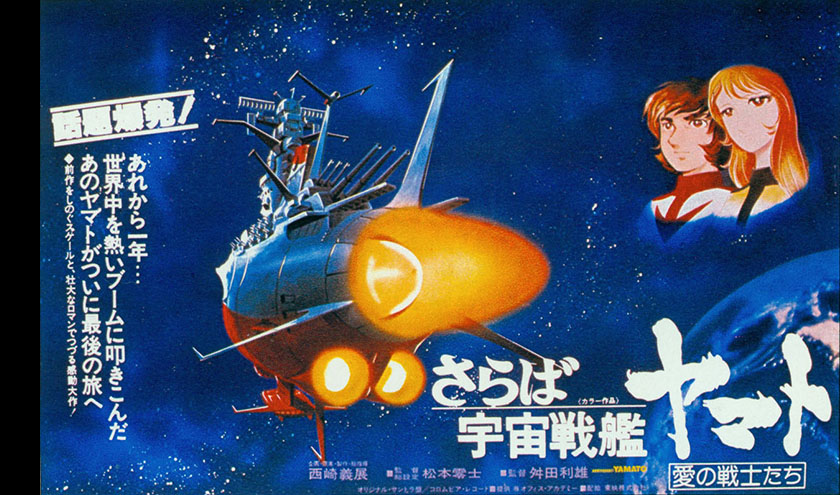
Farewell to Yamato
August 5, 1978, Office Academy
This original feature film was produced following the huge success of Space Battleship Yamato, which was released the previous year. It is the work in the series in which Toshio Masuda was most deeply involved, and it was heavily influenced by him with original characters and dialogue. Despite the controversy surrounding the final suicide attack, the film was enthusiastically received by audiences and recorded a box office revenue of ¥4.3 billion, making anime films a mainstream part of the Japanese box office.
Masuda: If something that didn’t do well on TV is re-edited into a movie, it might become a huge hit. So I got serious about making Farewell to Yamato. One day, while walking down the street, I came across a movie trailer for Steven Spielberg‘s Close Encounters of the Third Kind. The poster caught my eye. There was a long road with the tagline, “We are not alone.“ When I saw it, I thought, “This is it!“
So Nishizaki took the whole staff and traveled to Hawaii to see Close Encounters. It was in English, so we couldn’t understand what was being said, but we filled in the gaps with our imagination. It left a much stronger impression on me than if I had seen it in Japan. The spaceship’s in that movie were really impressive. There were aliens in them, after all. I thought that this bluff was what made it into a movie. From that idea came the creation of Farewell to Yamato.
Interviewer: After it had been such a huge hit, and everyone’s expectations were high, they suddenly depicted Yamato’s tragic end.
Masuda: It’s the Yamato, a ship that was destroyed during a fleet suicide attack on Okinawa, so even in the anime, Nishizaki was the first one who suggested that it end up crashing into the giant White Comet to save the Earth from peril. But in the end, I did everything, from the script to everything else.
Interviewer: Finally, in the scene where Kodai becomes the captain and attempts a suicide attack on the White Comet, the situation becomes exactly the same as in Zero Fighter Black Cloud Family (1962), and Kodai says the same thing as Yujiro.
Masuda: “It’s harder to survive than to die,” he says, leading the young noncommissioned officers and crew members to escape. I wasn’t conscious of it, though. Farewell to Yamato was made in the way that I would’ve done it. There’s a burly man named Hajime Saito who appears in the film. That was my original idea.
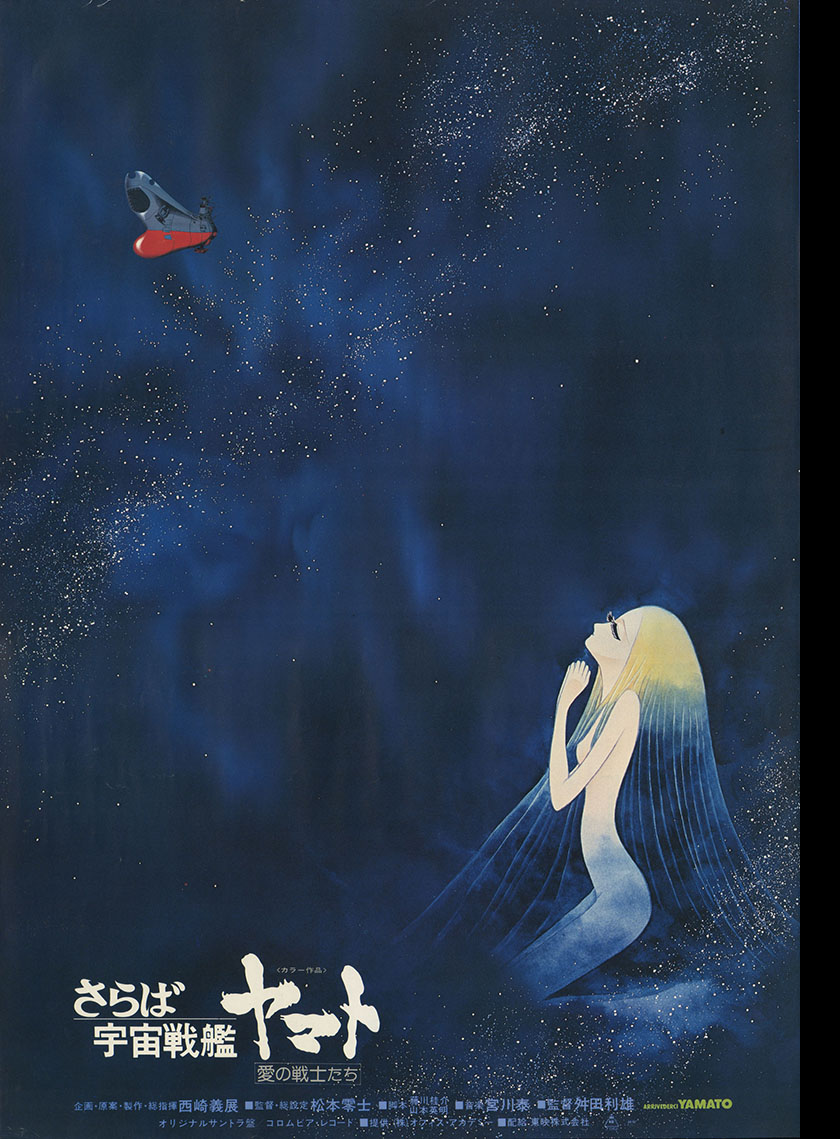
Farewell to Yamato is my favorite in the series. Not only does it have a sense of tragedy, but I also trusted the feelings of my generation to the young people aboard Yamato, including Kodai. Some people have called it totalitarian or right wing, but I made it more purely as a romantic idea. Yamato‘s self sacrifice to protect the Earth and the galaxy is not militarism in which one protects one’s country with one’s own body, but rather the idea of “We are not alone.“
Interviewer: I feel like your ideals were perceived by the public as right wing or sensational.
Masuda: That’s right. Hill 203 and The Empire of Japan are examples. I’m actually a pacifist. Live action and anime are completely different on set, so in my mind they’re completely different genres. I also enjoyed making anime. Now I can admit that I’ve hardly ever watched any anime, whether it be Disney or Osamu Tezuka. So the backbone of making anime is similar to feature films. With Farewell to Yamato, I had a say in the touch of the images and was even present during filming. With this one, I gave detailed instructions on every shot and every camera movement. I wanted to pursue something more realistic, rather than TV manga style images that I’d seen before then.
Interviewer: Farewell to Yamato is the only one with realistic scenes of crew members dying in battle.
Masuda: Yamato is full of fleet battles, but humans are the main characters after all, so I thought it would be boring without hand to hand combat.
Interviewer: The film was a huge hit, grossing ¥4.3 billion at the box office and ¥2.2 billion in distribution revenue, setting a new record for Japanese films. This record was not broken until Hayao Miyazaki’s Kiki’s Delivery Service in 1989.
Masuda: I believe Star Wars was a big hit during the sci-fi, boom, and it made a lot of money. Because it was such a big hit, Yamato was revived as if nothing had gone wrong.
Interviewer: Later, Yamato 2 started on TV, but even though it starts off the same, the story is completely different.
Masuda: On TV, Yamato survives. At the end of the movie, Nishizaki included a caption that read, “Yamato will never return,” and even though I opposed including it, he went ahead and did it anyway. Nishizaki was an interesting guy.
Interviewer: when I watched it later, it didn’t have that caption.
Masuda: yeah, that was pretty careless. So even though it had gone down in flames, Nishizaki said he wanted to do it again, so a sequel was made.
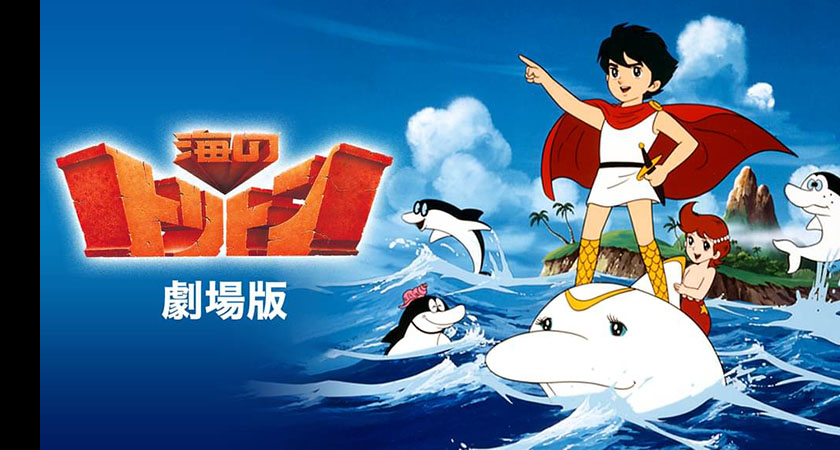
Triton of the Sea
Digest version
July 14, 1979, Office Academy
Masuda: I also supervise this. I had never heard of Triton, but I was asked to do it, so I had no choice but to accept. You can’t get started without watching it first, so I watched the whole thing. There was no home video back then, so I would see it in a screening room, get a sense of the whole picture, and then think about which episodes to pick out.
Interviewer: Just like the first Yamato film.
Masuda: It also aimed at creating a boom in the same way Yamato did. But even if it is called a re-edit, depending on how you think about it, it can also be about how to edit the film material cinematically. It’s the same as making a movie
Interviewer: What about re-editing something that someone else directed?
Masuda: I don’t remember it being difficult, and I was always thinking about how to make it entertaining for the children who would watch it. However, only the first part was released, and the second part was scrapped.
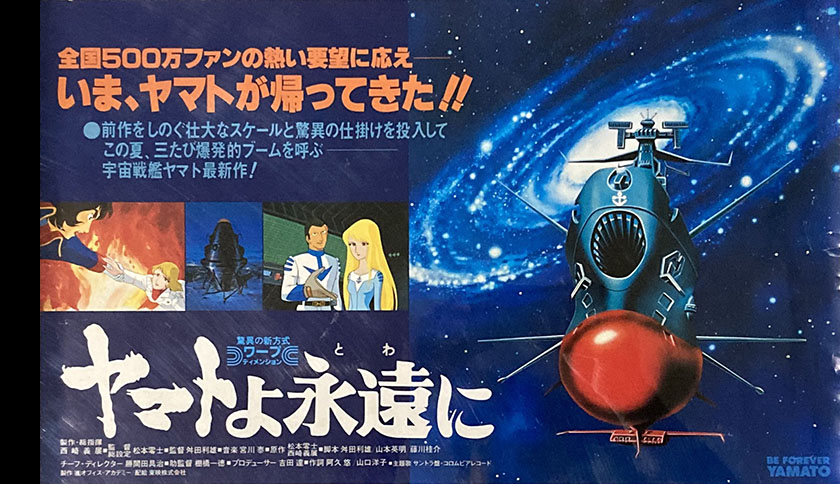
Be Forever Yamato
August 2, 1980, Office Academy
This was the third film in the series, focusing on the battle with the Dark Nebula, which appeared in the TV special The New Voyage in 1979. In the second film, many of the main characters died, and Yamato was supposed to share the fate of the White Comet, but the second TV series, which aired from October 14, 1978 to April 7, 1979, kept the concept of the film, with the main cast surviving and Yamato not self-destructing. Later films were an extension of that TV series. The attractive characters and suspense of the plot made Be Forever the fifth highest grossing Japanese film of all time, a hit with box office revenue of ¥1.35 billion.
Masuda: This was the third film. Tatsu Yoshida joined as producer midway through the series, and he was a co-director with Leiji Matsumoto and Tomoharu Katsumata, but this was also made possible by Nishizaki‘s skill. Of course, he offered various opinions on the plot and script. I think he put the script together with Keisuke Fujikawa and Hideaki Yamamoto. I also checked the storyboards and rejected any parts that I thought were wrong.
It was released on the same day as Hill 203, which was a Toei production. Be Forever was a Tokyu production. The cinemas were almost in the same building. Or on the top and bottom of the building, or next to each other.
Interviewer: Your films took over Toei screens across the country.
Masuda: I wondered how many people were there, so on the morning of the first day, I got off the subway at Ginza station, and when I came out, I saw a huge line of people around Toei headquarters. I thought, “There’s a line, Yamato is amazing as expected.” I spoke to the person in charge, and he said, “No, no, there’s a line for Hill 203, too.” So there was a really long line. Even that early, there were still people lining up at the cinemas.
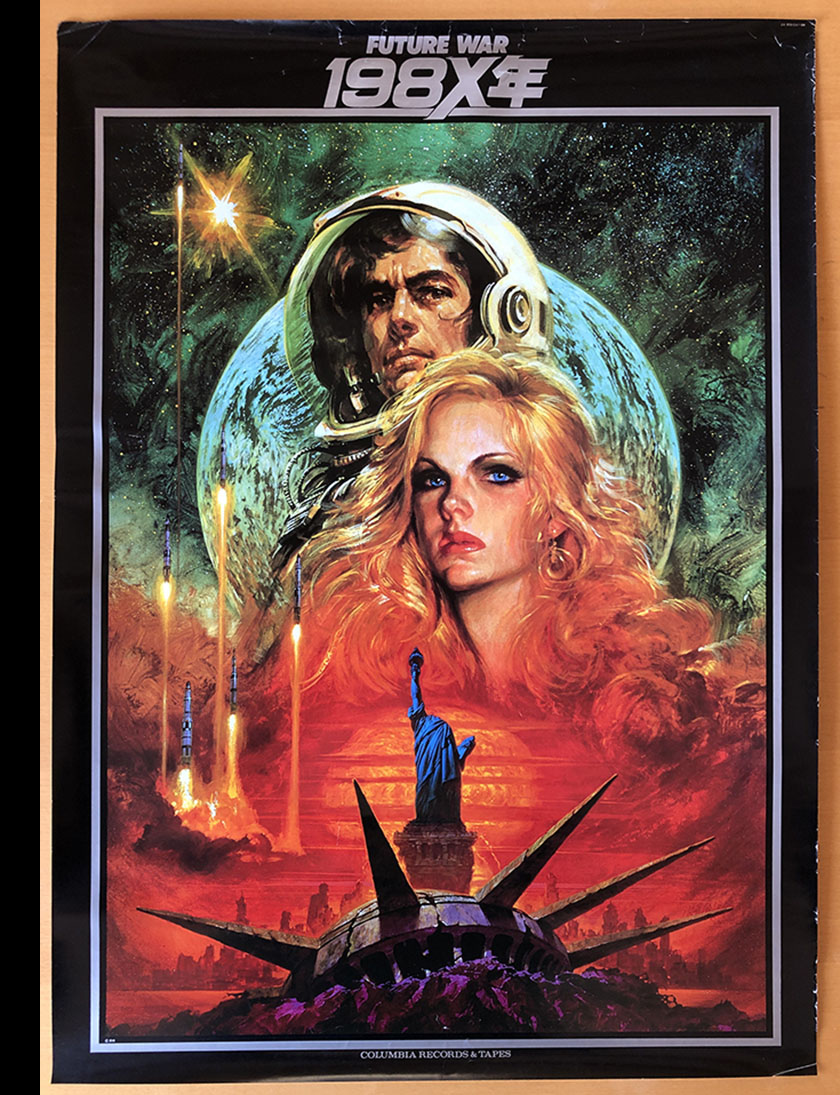
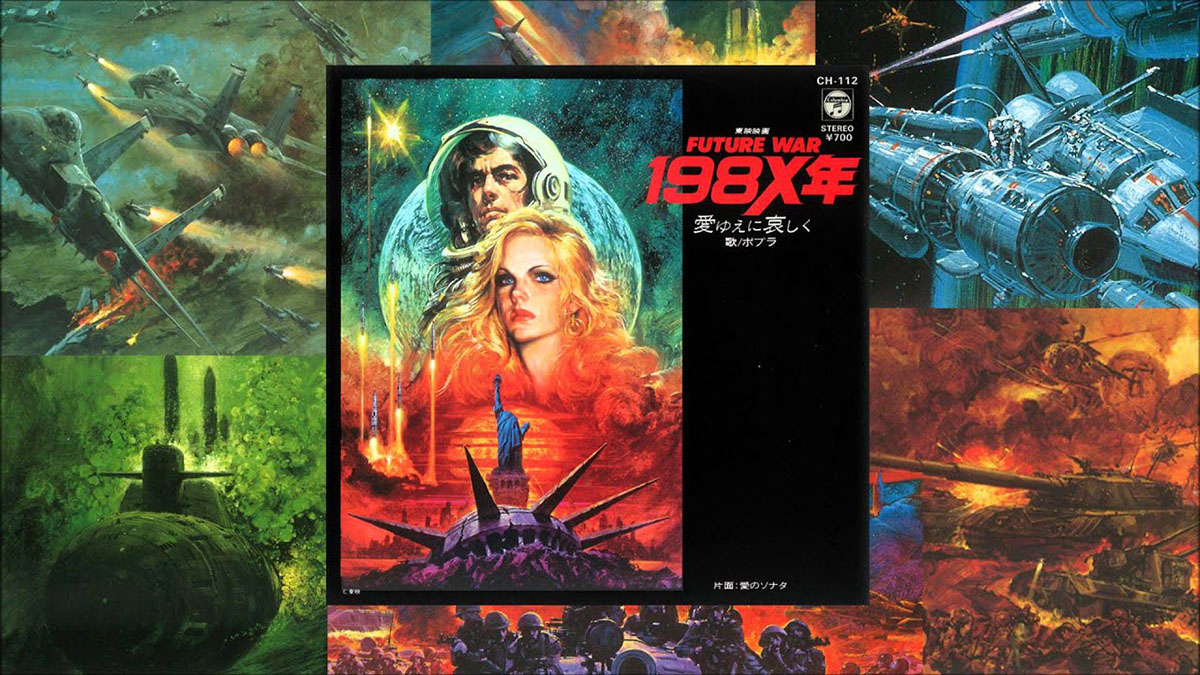
Future War 198X
October 30, 1982, Toei
This anime feature film depicts the horrors of war in the near future and the folly of war, based on the reality of the arms race between the US and the Soviet Union. Masuda learned about this during his research for his fighter jet documentary Take Off (1978). This was the first time screenwriter Koji Takada wrote a script for Masuda, and he would go on to write for other Masuda works.
From the moment the production was announced, the media and left-wing intellectuals expressed concerned about a right wing shift, and the project itself was criticized. This caused a great deal of buzz. At the beginning of production, the plot was that the military conflict between the United States and the Soviet Union would escalate into World War III, and the world would be annihilated by nuclear missiles, but it was changed to a happy ending in which human ingenuity overcomes the crisis.
The story is set in the near future, 198X. The United States has successfully developed a combat satellite for use against nuclear missiles. Dr. Gaine, his sister Laura, and Japanese scientist Wataru Mikumo are involved in this development, but Dr. Gane is kidnapped by a Soviet spy. Fearing that secrets might be leaked, the US president is forced to sink the Soviet nuclear submarine to which Dr. Gane has been taken. Meanwhile, a state of the art Soviet fighter jet makes an emergency landing at an airbase in Western Germany to defect. The Soviet Union, hearing that secrets might be leaked, attacks the base. NATO asks the US president for permission to use nuclear weapons, but…
The co-Director was Tomoharu Katsumata, who had directed Tiger mask (1970) and The Three Musketeers (1972) at Toei animation, and was the animation Director for Farewell to Yamato. He would go onto direct other anime Director Masuda was involved in.
(See more info on the film at Anime News Network here.)
Interviewer: when you were making Take Off, you researched the defense systems of the military superpowers of the United States and the Soviet Union, and the idea of turning that into a film led to this animation.
Masuda: That’s right. Toei producer Yoshida and his team had come to see Yoshinobu Nishizaki about Space Battleship Yamato. Then, by chance, the conversation turned to Take Off, and he thought, “couldn’t we make a movie about that sort of story?“ I thought, “it’s definitely impossible to do it in live action, but if it’s an anime, you can just draw it,“ which is a very simple thing to say. So we decided to go for it, and Yoshida and the others brought in the script writer, Koji Takada. That’s when my relationship with Takada began. I knew his name up until then, but I’d never met him.
Interviewer: The executive producer was Ryonosuke Watanabe, but I think Yoshida and the others also asked for this.
Interviewer: What was the plotting like?
Masuda: It was my first time working with Takada, so we started by discussing the outline of what I wanted to do. He nodded along, saying “yes, yes,” but when the first draft was completed, he hadn’t used anything I’d said. I thought that was quite impressive. Iwano Masataka of the self-defense forces was my supervisor and gave me advice, and we were able to come up with a plan.
Interviewer: The film was released nationwide by Toei.
Masuda: That’s because Watanabe is a Yamabushi (spiritualist). He made it even though the union was fiercely opposed. But it wasn’t Yamato. It’s a movie about the US and the Soviet Union going to war and destroying the Earth.
Interviewer: Toei produced the anime, but the production staff was made up entirely of people who worked on the main features at Toei, which is an unusual production team for an anime.
Masuda: That’s right. We created it based on our idea of trying to do things in anime that couldn’t be done in the live action. The actual work was done by professional animation artists at Toei. We worked with the animation Director Tomoharu Katsumata on Farewell to Yamato, and he also worked on Kikaku Shinano’s Romance of the Three Kingdoms trilogy after that.
Interviewer: Hill 203 was about the Russo-Japanese war, The Empire of Japan was World War II, and this was in the near future. It’s an anime that depicts a nuclear war caused by the conflict between the US and the Soviet Union. I think it received a lot of criticism from Toei’s union and in the media.
Masuda: That’s right. The union was worked up. There were a lot of protest flyers posted around the studio, saying things like, “It’s encouraging right wing sentiment.” When we felt that there was a danger, we made a drastic course correction from hawk to dove midway through production.
Interviewer: I heard that the story originally was about humanity being wiped out by nuclear war.
Masuda: Of course. It’s anime, after all. You can do things that you can’t do with live action or reality. So I wanted to make it big and flashy like The Prophecies of Nostradamus (1974) with a warning message of, “This affects all of us.” Also, at that time, defense issues were a hot topic of public interest. But I didn’t make it carelessly. I had a sense of crisis about it.
Interviewer: You got it back on track.
Masuda: In the end, we took the direction of detonating a nuclear missile in space to avert the crisis. When we had a preview at the Pantheon in Shibuya, I think it was the manager of the theater or a high ranking official at Tokyu who said, “Masuda, you’ve mellow out a lot.“ I replied, “because it’s dangerous,” and he said, “you should’ve just done it as originally planned.” But he said that because it was someone else’s problem.
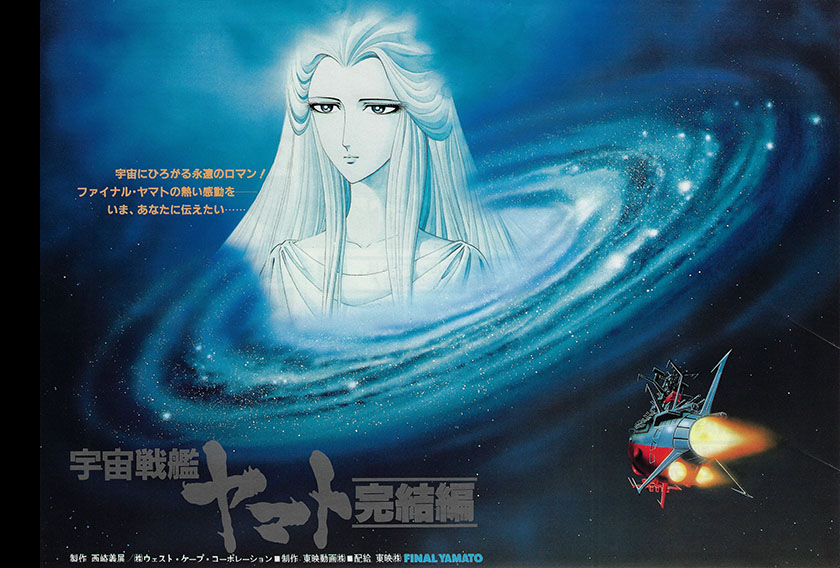
Final Yamato
West Cape corporation/Toei, March 19, 1983
Directed by Geki Katsumata and Yoshinobu Nishizaki, with Toshio Masuda as general supervisor. Script by Hideaki Yamamoto, Kazuo Kasahara, Eiichi Yamamoto, Toshio Masuda, and Yoshinobu Nishizaki. This was the first time Yamato‘s creator, Yoshinobu Nishizaki, was listed as a director, and it can be said that this work marked the 10th anniversary of Yamato. It was a fitting farewell.
Interviewer: The final work in the Yamato series was in 70mm.
Masuda: This was a wide format, and the image was the most solid. There was depth to the visuals.
Interviewer: The screenplay was written by you, Kazuo Kasahara, Hideaki Yamamoto, and Eiichi Yamamoto.
Masuda: And Nishizaki. The entire staff was involved. This was made in 70mm from start to finish.
Interviewer: The final scene features the main characters having sex.
Masuda: That’s a typical Nishizaki idea. He must love stimulating adolescent children. However, it was nine years from the time the TV project was first conceived until the final film, which is impressive.
Interviewer: Yamato greatly changed the situation surrounding the film industry, and more than anything, it made it clear that anime had become a business. That idea became widespread.
Masuda: For me, it was extremely stimulating to do something completely different from live action in anime. Yamato was sandwiched right between Hill 203 and The Empire of Japan. But once you’ve done one, the rest are pretty much the same. Everyone struggled to create as much variety as possible.
Related reading
Masuda’s story draft for The New Voyage