
Thoughts after watching Episode 12
See the original blog post here
It seems that even the city of Sapporo is finally eager to shed its heavy winter coat.
Beneath the windows of the aging apartment building where I live, the blackened snow is being melted by the heat radiating from the asphalt, flowing away as muddy water. From beneath it rises the scent of damp earth. Why is it, I wonder, that the vitality of spring feels so incredibly powerful, and just a little bit dusty? In the kitchen, the porridge I’m cooking for my mother and sister makes a gentle, rhythmic bubbling sound. The soft wisps of rising steam fog my glasses white. Feeling a strange sense of unease that the outdoors remains bright even past five o’clock, I sit alone, opening the drawer of old memories.
61 years old. For 32 years, my hands, once caked in oil and rust from working on the floor of an auto-gas station, are now here, tapping away at a keyboard. Lately, I have been tinkering with a new tool called AI. Yet, it seems incapable of translating the flighty, restless spirit of spring, or the biting chill of snowmelt water muddied with earth. Sometimes, the very word “efficiency” feels as cold as a patch of snow that has stubbornly refused to melt.
Why, you ask? Go ahead, ask the AI. I guarantee it won’t be able to tell you about the warmth of the steam rising from a pot of porridge. What I wish to write about is not something so neat and tidy. Rather, I seek to capture something, something in which the very heartbeat of humanity can be heard.
As I ponder these thoughts, my mind turns to a classic masterpiece of the Showa era: Space Battleship Yamato, specifically, Episode 12: “Desperate Straits!! Orion’s Wishing Star, the Hell Star,” an episode absolutely brimming with raw human intensity.
The story begins with the Yamato becoming ensnared near Alpha Orionis, better known as Betelgeuse, in a truly traumatic trap laid by a man named Dessler. A magnetic barrier strips the ship of its freedom of movement, while a “space smog” voraciously devours its metal hull. It is the terror of being slowly, insidiously eroded by an unseen force. This is a sensation deeply familiar to anyone who has spent their life on the front lines, safeguarding vital equipment. It is not a matter of logic; it is a visceral, skin-crawling premonition of impending doom.
A Life of Gritty Tenacity Entrusted to a Wishing Star, and Reflections Amidst the Thawing Snows of Sapporo
“Trust” and “Order” Forged in the Fires of Hell
1. The Contrast Between Science and Romance: A Prayer to Betelgeuse
2. Rifts Within the Ship: True Natures Revealed Under Extreme Conditions
In a modern era that constantly seeks only efficiency and “correct answers,” it is precisely that “gritty human passion,” something AI can never replicate, and the “will to break through difficulties” that make a life shine with true beauty.
Set against the backdrop of Sapporo’s thawing snows, this essay is a reflection by an author, who spent 32 years working in the field, as he overlays the human drama of Space Battleship Yamato Episode 12 onto the canvas of his own life. He expounds upon the profound value of elements that an efficiency-driven AI could never portray: Chief Engineer Tokugawa’s tenacious pride in his craft, Captain Okita’s solitary sense of responsibility, and the “power to break through” that manifests only under the most extreme conditions. It reaffirms that the beauty of a flesh-and-blood human being resides precisely within our wastefulness, our failures, and our clumsiness. It portrays the hope found in navigating a daily life that, while constrained, remains deeply cherished.
What you will learn from this article:
The allure of the profound human drama, seen in Episode 12 of Space Battleship Yamato, where organizational discipline clashes with individual passion.
The importance of gritty “on-the-ground tenacity” and “breakthrough power,” qualities often overlooked in a modern society (the AI era) that prioritizes efficiency and finding the “correct answer.”
Insights on how to affirm an imperfect, clumsy life and live with a forward-looking spirit, set against the backdrop of the changing seasons as winter gives way to spring.
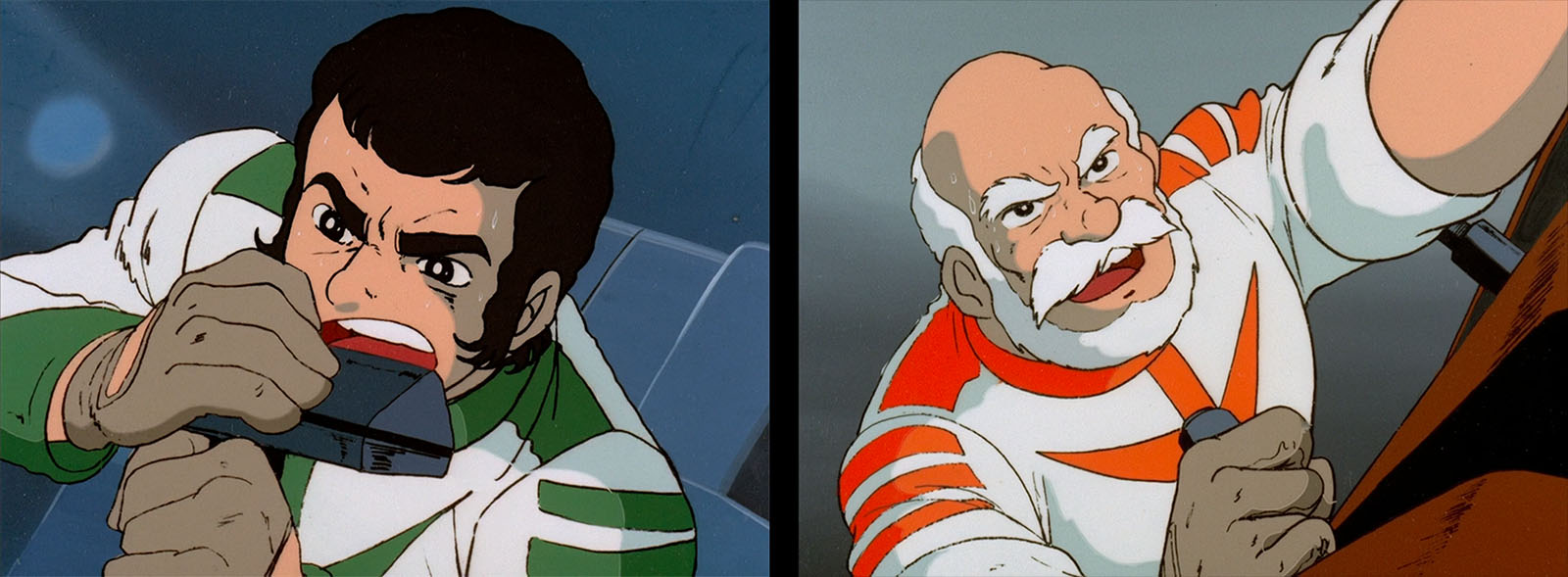
In this particular episode, the figure that stirs my heart the most is that of Chief Engineer Tokugawa. While the crew on the bridge, staring only at the numbers on their instruments, urge him on with shouts of “Is it done yet?!” and “Hurry up!” Tokugawa Hikozaemon roars back:
“Stop your damn whining! We’re doing everything we can down here!”
I couldn’t help but laugh. Ah, I thought, that used to be me.
Those days spent wearing oil-stained coveralls, wrestling with the sheer weight of every single bolt and valve, reading the condition of the machinery solely through the vibrations felt at my fingertips…that very spirit, that “pride of the field,” truly permeates that engine room, amidst the deafening roar of the machinery.
The reason this series remains as vivid and timeless today as ever is, I believe, due to its portrayal of the gritty, down-to-earth human drama played out by its adult characters.
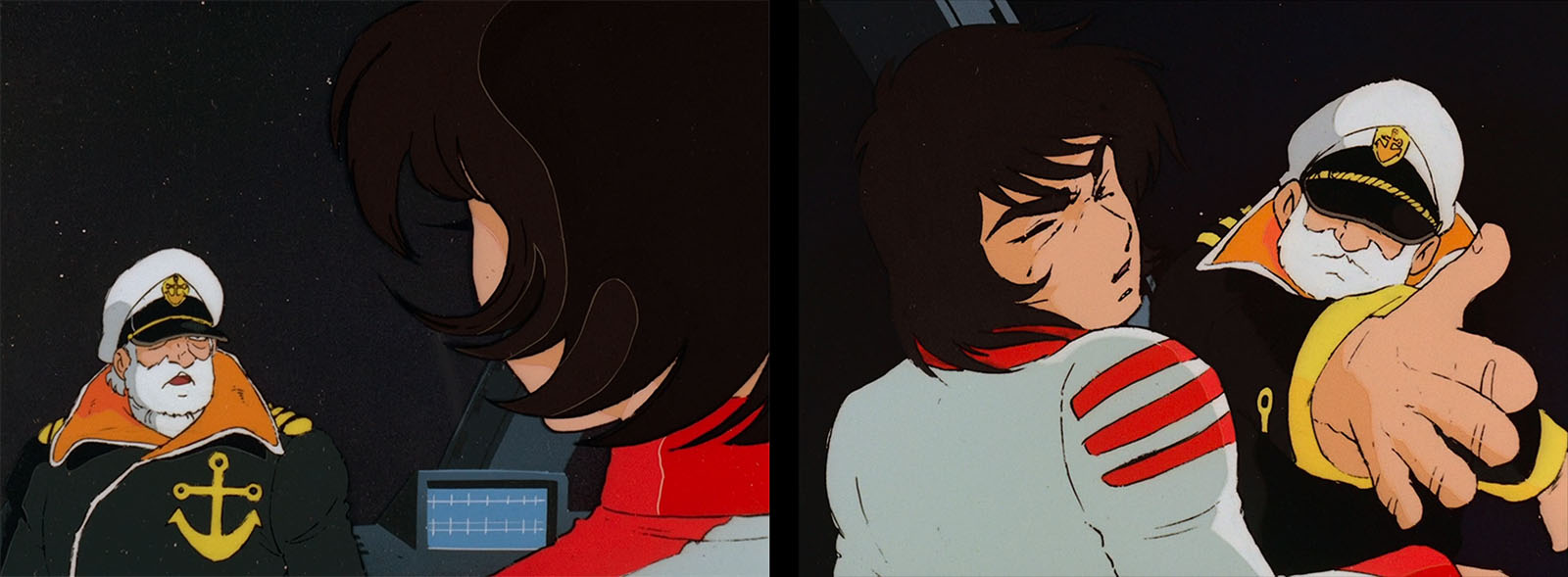
Captain Okita sternly reprimands Susumu Kodai for disobeying orders.
“I am not speaking of results; I am speaking of order.”
Organizational discipline. The solitude of one who bears the responsibility for the lives of others. Now that I’ve retired from the field just prior to my own mandatory retirement age, and have taken on the responsibility of safeguarding the lives of my own family, the weight of those words sinks deep into the pit of my stomach, cold and lingering like a patch of unmelted snow.
Yet, even Captain Okita, the very man who preaches such ironclad discipline, is at heart simply another clumsy human being. Even as his illness worsens, and despite Dr. Sado’s recommendation that he be hospitalized, he adamantly refuses, declaring, “I have a responsibility to keep this ship running.”
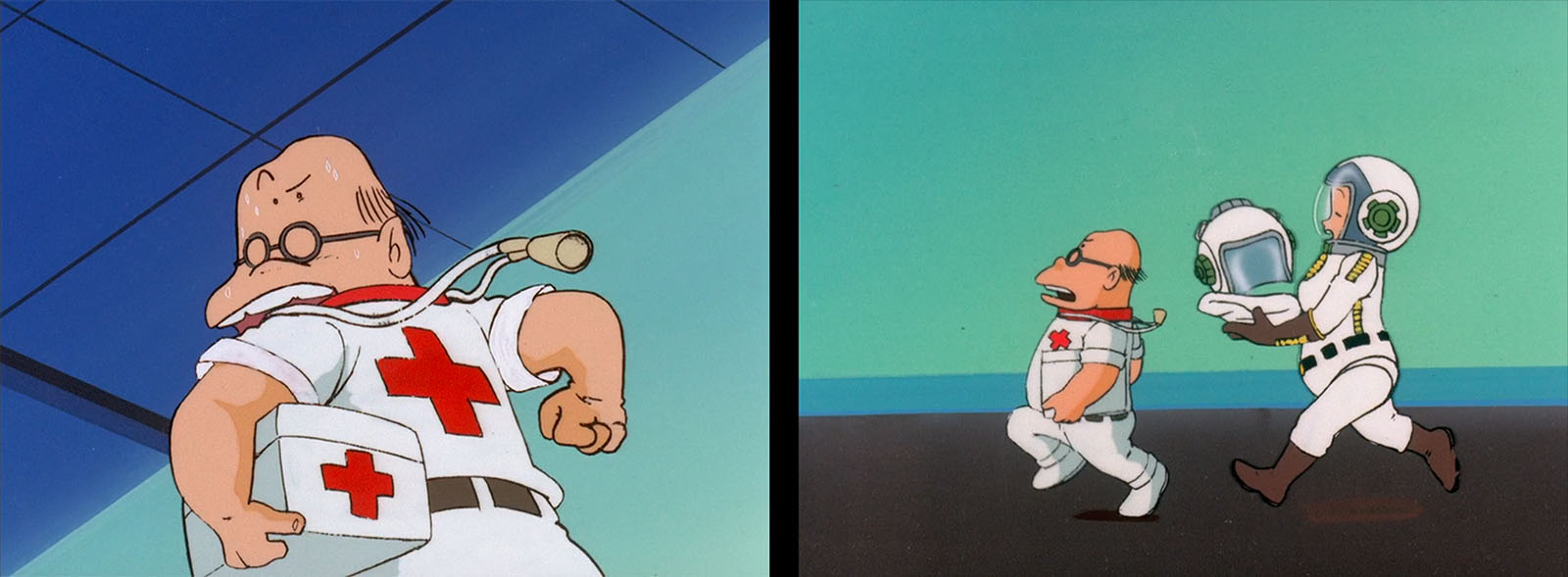
While rushing to take care of the captain, Dr. Sado’s response to a nurse is equally superb.
“As if a doctor would let himself get caught wearing that!”
With that, he casts aside his spacesuit, determined to remain by the Captain’s side.
It is a love that is utterly reckless, yet deeply human and heartfelt. As someone who has recently found himself strangely vulnerable to acts of human kindness, I find the interactions between those two men to be utterly endearing.
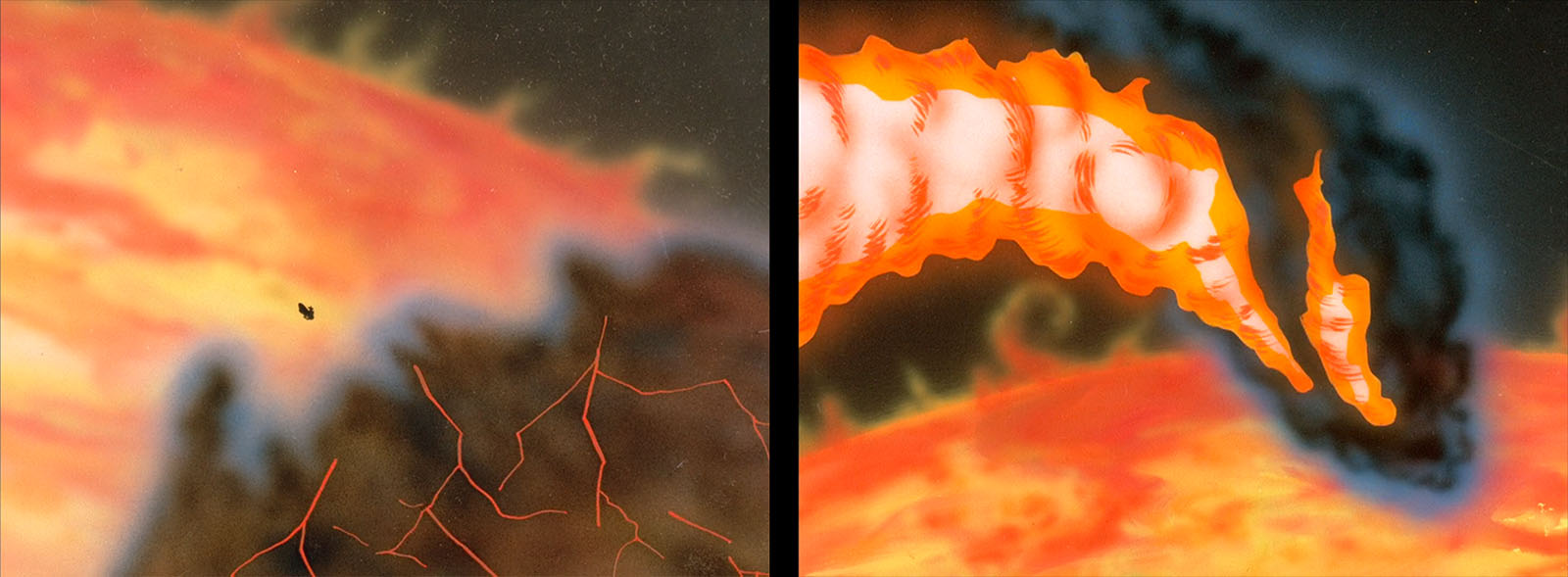
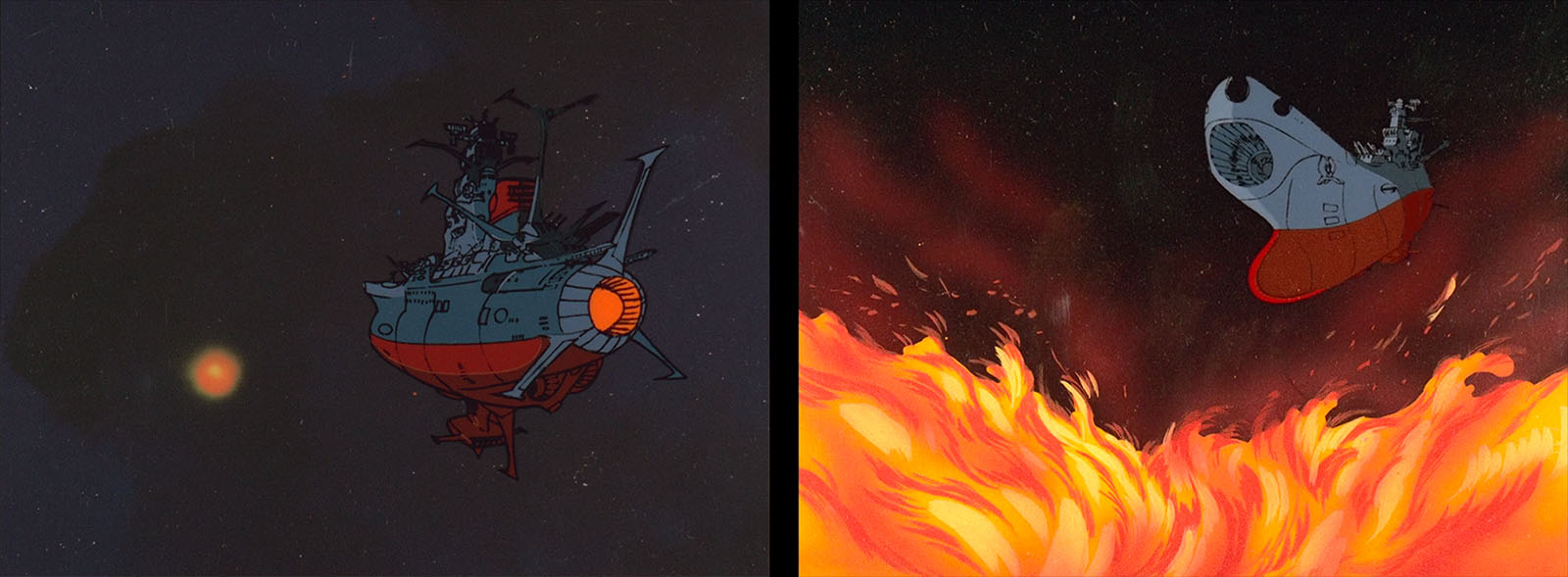
It is a desperate, life-or-death predicament. The Captain issues an order for a strategy that borders on madness: to plunge directly into the scorching heat of a sun’s corona. Temperatures inside the ship soar to 400 degrees. The hull groans under the strain, a grueling situation in which every soul on board braces themselves for death.
Yet, that very heat is precisely what will incinerate the toxic gas slowly consuming Yamato. Fighting poison with poison. The Wave-Motion Gun, fired by Kodai, slices clean through the towering pillar of a solar prominence that stands blocking their path.
The catharsis I felt in that moment, watching from the other side of the television screen, was the very essence of the “power to break through obstacles”: a power that our modern world, obsessed solely with efficiency and finding the “correct answer,” seems to have long since forgotten.
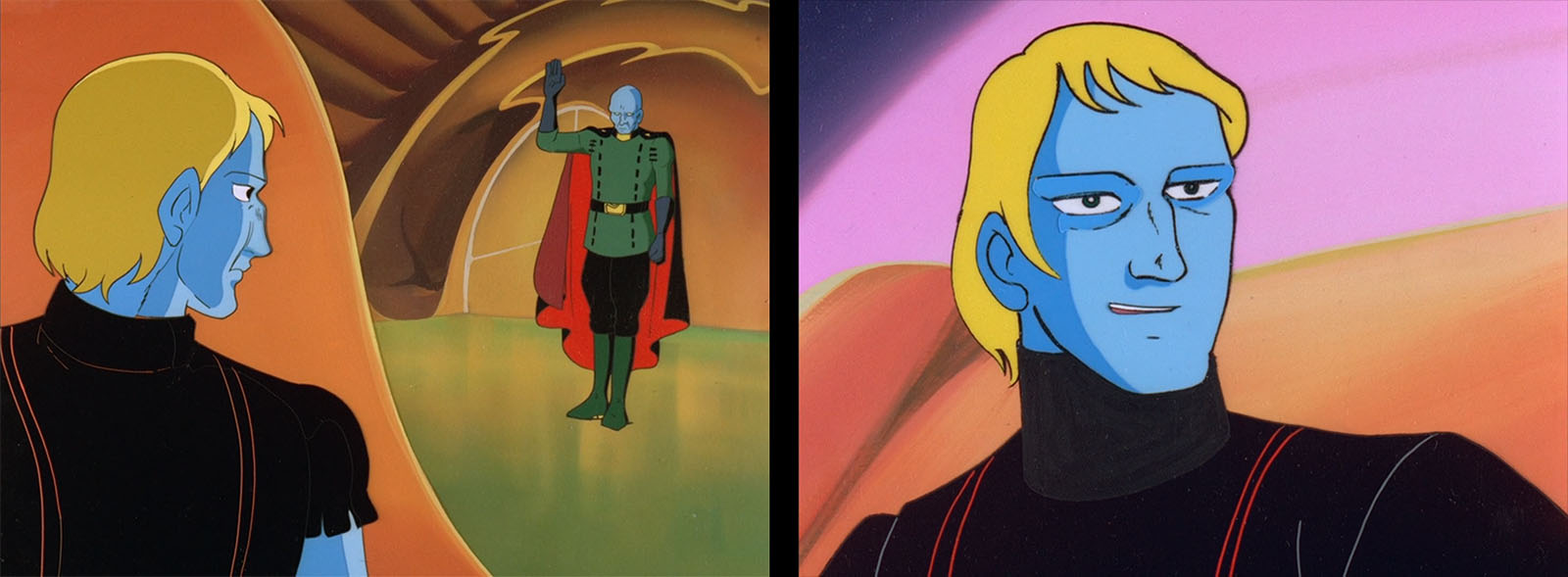
And watching it all unfold, Dessler, wearing a look of audacious amusement, utters those memorable words: “Shall I send them a congratulatory telegram?” Whether friend or foe, what unfolds here is a fierce clash of powerful individual wills.
An AI would likely calculate a safer, more efficient route, but such a thing holds no thrill for the human heart. It truly is a troublesome thing, this human nature.
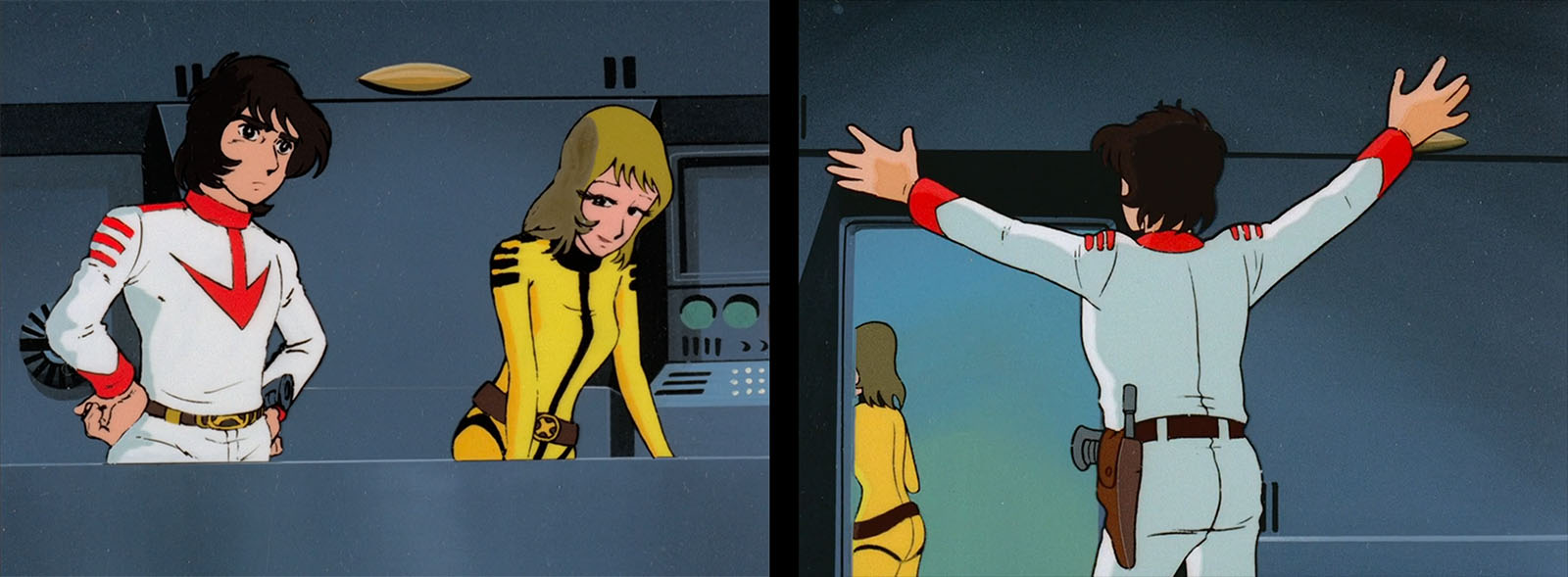
The interactions between Susumu Kodai and Yuki Mori, depicted amidst these fierce battles, take on a different flavor when viewed today.
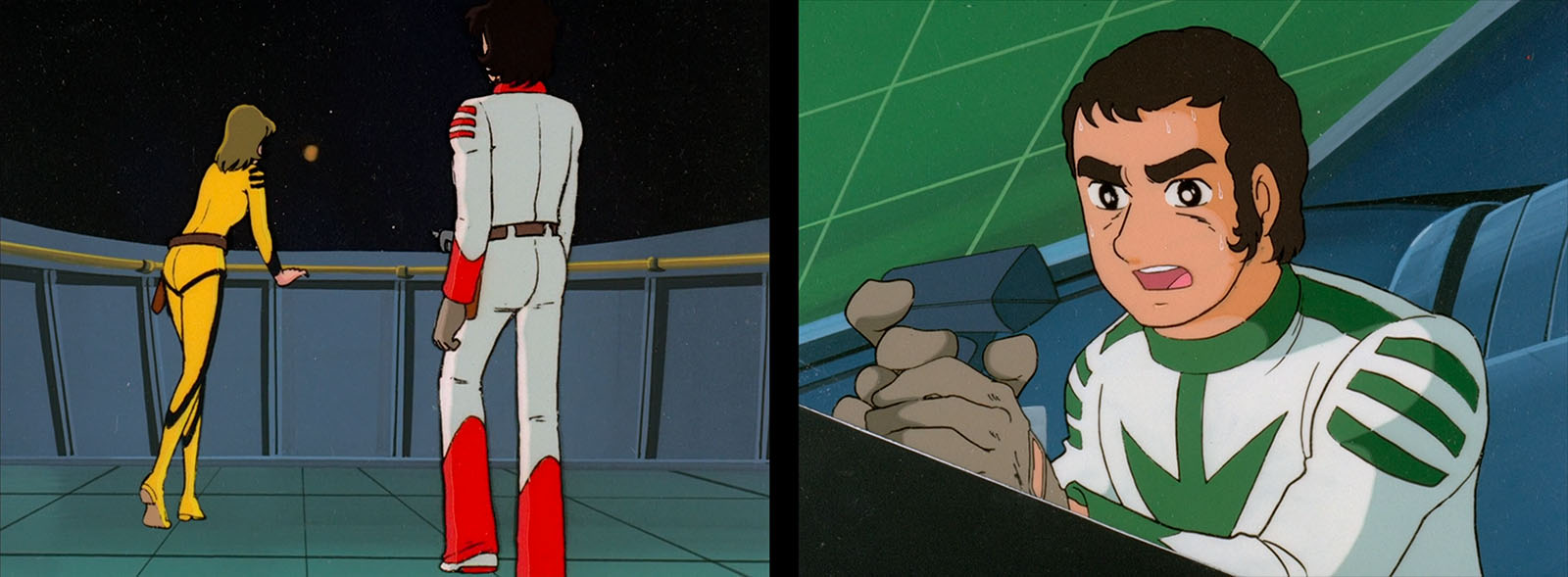
In a universe where death is a constant companion, Yuki looks upon the star Alpha and calls it her “wishing star.”
“I wish… that a certain someone would fall in love with me.”
So she prays. And Kodai, in his own clumsy way, tries to brush it off.
In this season, when the twilight lingers long into the evening, I sometimes glance up out the window to find a single first-magnitude star shining faintly in the sky. Memories of my own youth, or of simple, ordinary moments spent with family, these recollections overlap with the tender romance of those two characters, and I find myself involuntarily narrowing my eyes in wistful reflection.
The coldness of the cosmos, and the warmth of the human spirit. An AI would likely edit out this messy, gritty humanity, yet it could never hope to replicate this bittersweet poignancy.
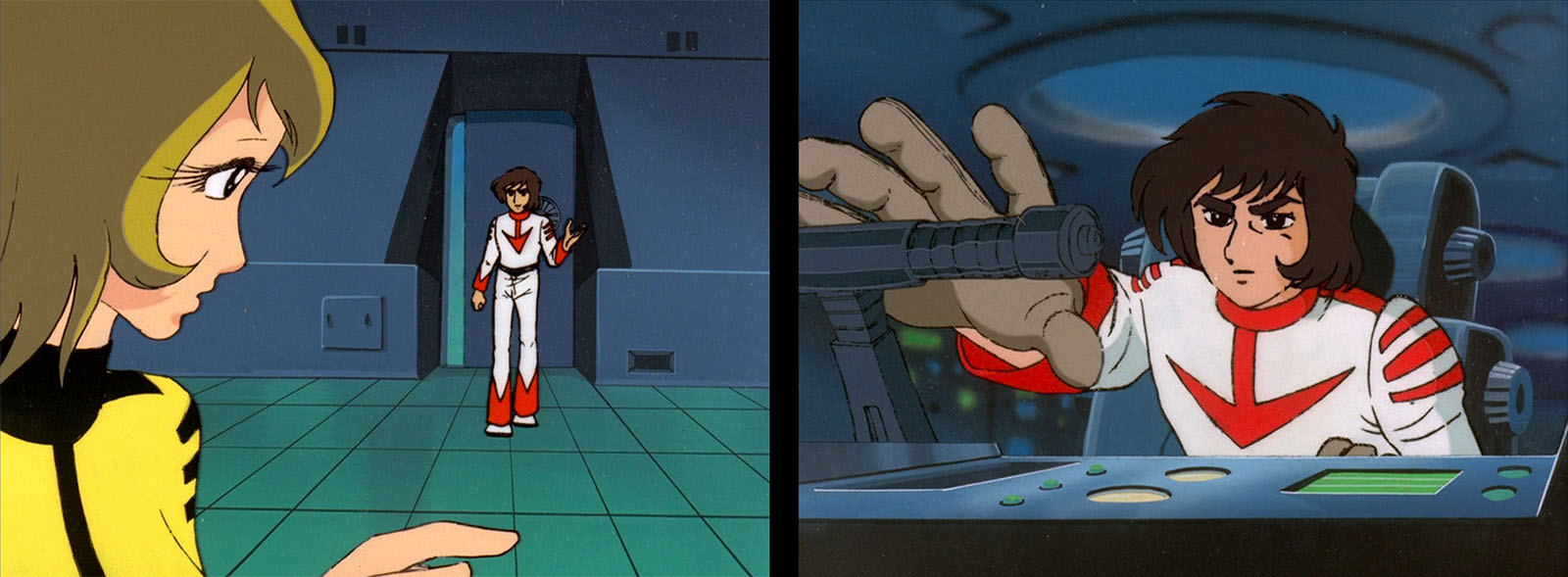
“Trust” and “Order” Forged in the Fires of Hell
The year is 2199 AD. Having departed the solar system, Yamato has ventured out into the unknown reaches of the galaxy. Episode 12 stands as one of the finest episodes of the early Yamato series, depicting the crew being cornered on two fronts: by a physical trap (a magnetic barrier) and by the psychological extremes of internal conflict.
1. The Contrast Between Science and Romance: A Prayer to Betelgeuse
The story opens with a conversation between Kodai and Yuki regarding the Alpha Star of Orion, Betelgeuse.
Kodai’s Perspective: A dispassionate scientific analysis, viewing the star as “nothing more than a mass of carbon, oxygen, and hydrogen.”
Yuki’s Perspective: A sense of romanticism, making a wish upon a star, just as she did back on distant Earth.
This moment of quiet serves as a stark contrast to the “scorching hell” that immediately follows. Furthermore, Yuki’s girlish wish, that “someone might come to like her,” evokes both the loneliness she harbors amidst their arduous journey and the faint glimmer of hope she holds regarding a certain someone: Kodai.
2. Rifts Within the Ship: True Natures Revealed Under Extreme Conditions
Gamilas has deployed a “Super-Magnetic Barrier” and “Metal-Corroding Gas.” Faced with this desperate, life-or-death crisis, an air of unease permeates Yamato.
The Clash Between Chief Engineer Tokugawa and Shima: The scene in which they trade insults, shouting “You idiot!” at one another over an engine that refuses to function as intended, symbolizes just how cornered these usually cool-headed professionals feel in the face of death.
Okita Preaches “Order.” When Kodai fires a missile on his own initiative, Okita sternly reprimands him, declaring, “It is not about the result; it is about order.” As a military force, and as an organization, a breakdown in the chain of command spells the death of the ship itself. These words from Okita convey the iron will of a commander who tolerates absolutely no laxity.
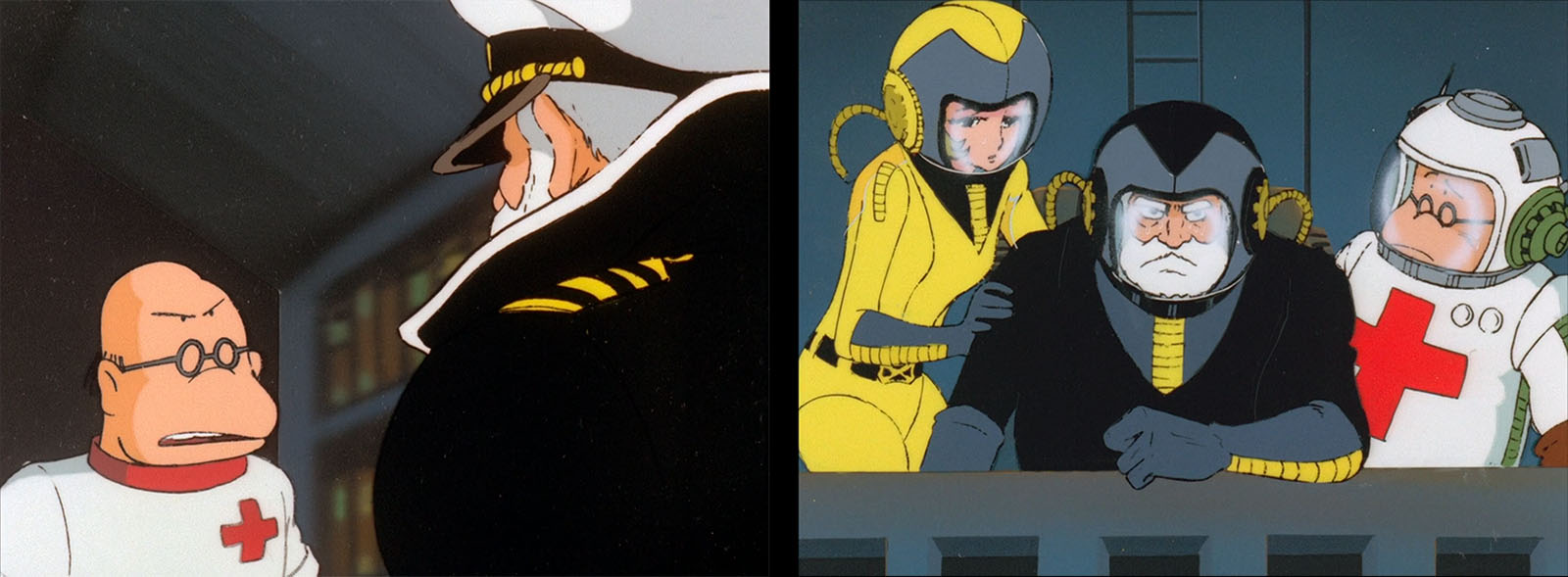
3. Dr. Sado’s “Eye”: A Master Physician Spots the Captain’s Decline
Playing a pivotal role in this episode is the ship’s doctor, Sakezo Sado. Though he may appear to be a hopeless drunkard, his clinical eye remains unerringly sharp. He confronts Okita, having instantly discerned the Captain’s failing health, and insists:
“You require immediate hospitalization!”
This serves as a crucial narrative foreshadowing of the events to come (specifically, the worsening of Okita’s illness). The sequence highlights the dynamic between Okita, who refuses treatment, declaring, “I bear the responsibility of keeping this ship moving,” and Sado, who watches over him with deep concern. Through their interactions, we see how the bond between these two old veterans quietly underpins and supports the battles fought by the younger generation.
4. Fighting Poison with Poison: Juzo Okita’s Gamble
From the rear, a gas is dissolving the hull. Ahead lies a scorching solar corona. In this desperate situation, Okita makes a decision that borders on madness: to plunge the ship directly into the fiery sea of the Alpha Star.
“We can withstand temperatures up to 800 degrees! Don your space suits!”
As the internal temperature of the ship climbs to 400 degrees, the crew members endure the heat, drenched in sweat. While those on the Gamilas side mock them, sneering that they have “chosen spiritual suicide,” Okita alone has spotted a path to victory: using the heat of the corona to burn away the corrosive gas. This “reverse thinking,” the ability to turn a situation on its head, will become the driving force that saves Yamato time and time again.
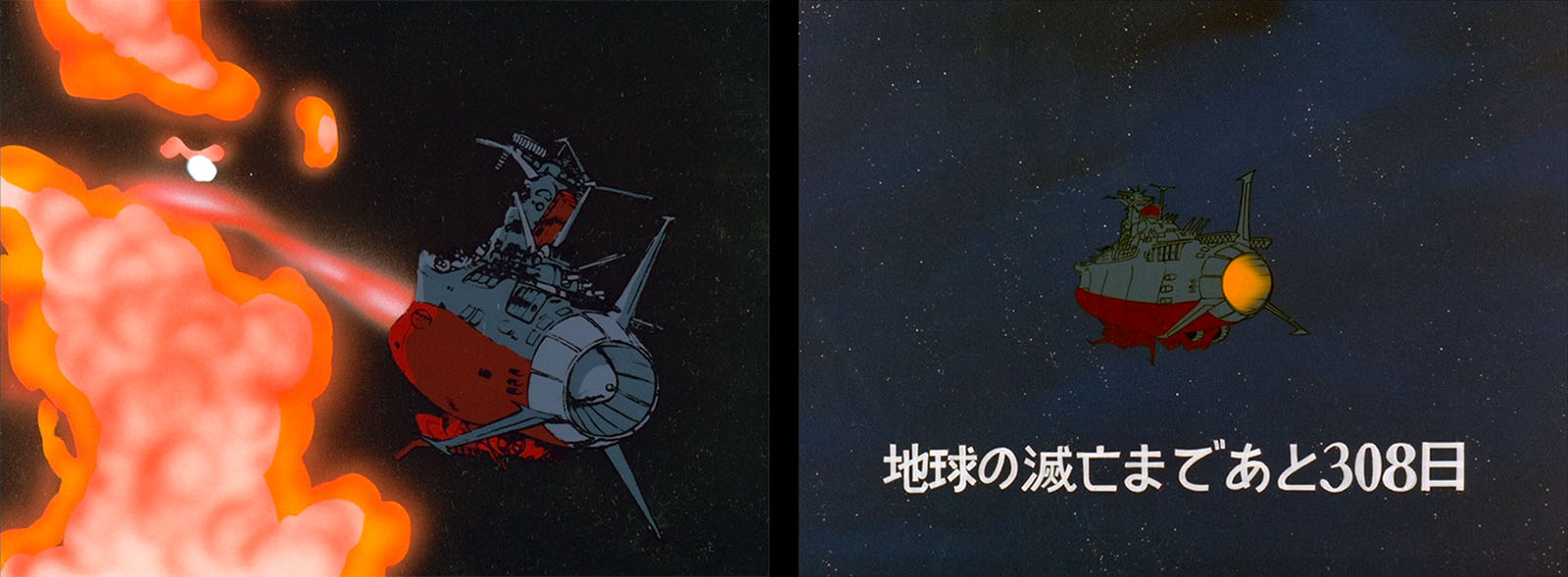
5. The Decisive Wave-Motion Gun: Shattering the Prominence
Blocking their path stands a colossal pillar of fire: the “Corona Irregular.” Fired in a situation where evasion is impossible, the Wave-Motion Gun appears here as something far more than a mere weapon. It seems, rather, like “a prayer to carve a path forward.” The moment Kodai’s decisive blast blows the flames aside and Yamato escapes the jaws of death, Hyss’ confidence crumbles. In that instant, Yamato’s indomitable spirit strikes terror into the hearts of the Gamilas forces.
6. 308 days left
Having emerged from their fierce battle, the two gaze once again at the stars. After passing through the very fires of hell, Yuki’s “wishing star” seems to shine with an even greater brilliance than before. Yet, the narration delivers a cruel reminder:
“308 days remain until the day of humanity’s extinction.”
With no time to savor their fleeting victory, Yamato continues its solitary journey across 148,000 light-years.

In Conclusion: An Old Man’s Musings
In the back alleys of Sapporo, the last lingering patches of grimy snow melt into muddy water, dampening my feet. After 32 years spent on the job site, caked in rust and grease, the sensation of wear and tear remains etched into my fingertips, a feeling that will never fade. In Episode 12 of Yamato, when that hard-drinking Dr. Sado tossed aside his spacesuit, shouting, “Like a doctor’s going to let a suit get in his way!” I couldn’t help but slap my knee in admiration.
To step forward and intervene, without a care for appearances or protocol, solely for the sake of the life right before you…I believe that is the true essence of the kind of man who has long supported the “front lines,” even as they creak and groan under the strain. To that figure, clumsy, rough-around-the-edges, yet warmer than anyone else, I offer my most heartfelt salute.
Have you, recently, taken the time, either for someone else or for yourself, to gently mend the frayed edges of your own life?
With the arrival of spring, we take a new step forward. The story of your life is something no efficient AI could ever write.
For within those very “inefficiencies” and “failures” lies a beauty that shines more brightly than anything else. If these words can help thaw a frozen heart, warming it gently, like a bowl of soft, comforting porridge, then nothing would bring me greater joy.
Tomorrow, the sunlight will linger just a little bit longer than it did today. With that small hope held close to my heart, I intend once again to chronicle this constrained, yet deeply cherished, everyday life.

Key Characters
Juzo Okita (Voice: Goro Naya)
Captain of Yamato. He devises a do-or-die strategy: plunging the ship directly into the scorching solar corona.
Susumu Kodai (Voice: Kei Tomiyama)
Chief Tactical Officer. As he crosses the threshold between life and death, he begins to learn what it truly means to be a commander.
Yuki Mori (Voice: Yoko Asagami)
Chief of Life Support. She possesses a gentle, feminine sensibility, referring to the star Betelgeuse as a “wishing star.”
Hikozaemon Tokugawa (Voice: Ichiro Nagai)
Chief Engineer. A man of true craftsmanship and deep responsibility who serves as the backbone of the Wave-Motion Engine.
Sakezo Sado (Voice: Ichiro Nagai)
Ship’s Doctor. A close friend to Captain Okita who looks after his health with greater concern than anyone else on board.
Leader Dessler (Voice: Masayuki Ibu)
Leader of the Gamilas Empire. He expresses his admiration for Yamato‘s sheer tenacity and ability to break through any obstacle.
Hyss (Voice: Katsunosuke Hori)
Gamilas Commander. He corners Yamato using a trap involving a dense cloud of “space smog.”
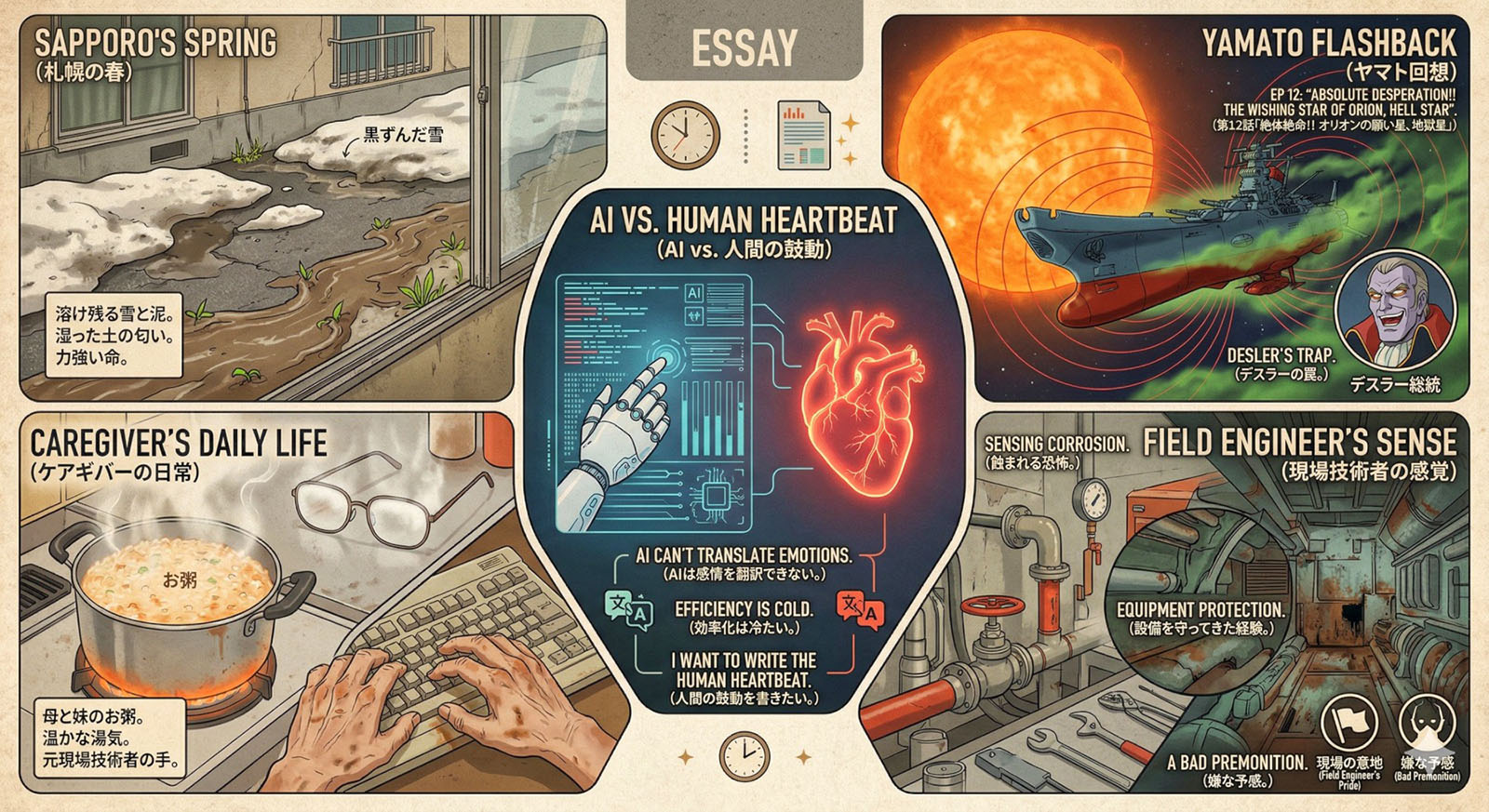
An infographic visualizing the overall structure of this essay by author Kenichi. Depicted in the upper left is the spring of Sapporo (lingering snow and mud). In the lower left, the daily reality of caregiving (hands preparing porridge for his mother and sister, alongside a keyboard). In the upper right, a flashback to Episode 12, and in the lower right, the sensory world of a field engineer (corroding pipes and a sense of foreboding). Centered in the middle is the main theme: “AI vs. the Human Heartbeat.” It expresses a fierce determination to capture, in writing, the “fluctuations of human emotion” that cannot be translated by mere efficiency (AI), conveyed through the stark contrast between cold electronic circuitry and a burning human heart.
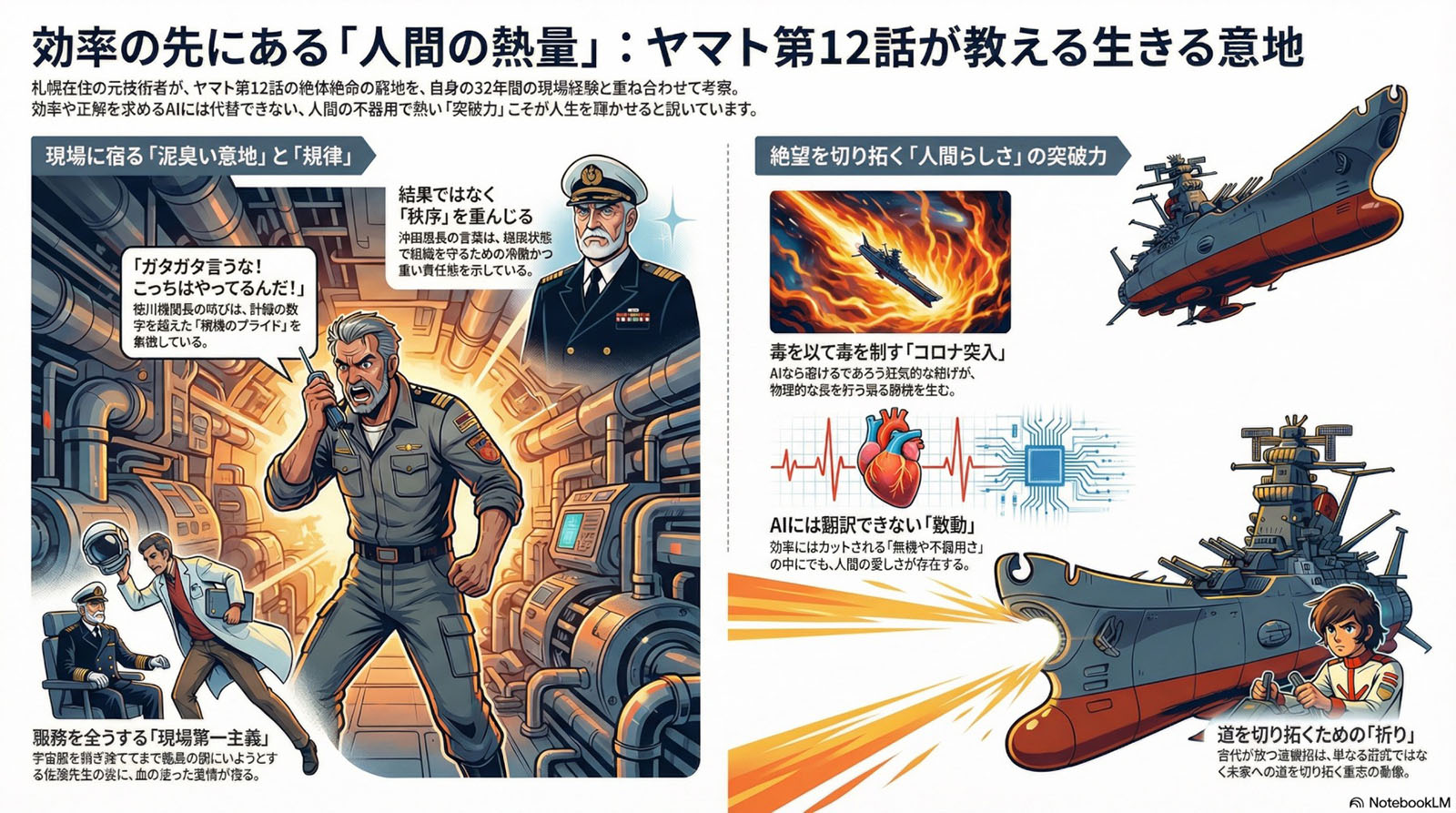
An illustrated summary of the essay by author Kenichi. On the left side, the diagram visualizes Chief Engineer Tokugawa’s “pride of the field,” Captain Okita’s “order,” and Dr. Sado’s “field-first philosophy.” On the right, it depicts the “fighting fire with fire” approach of the plunge into the Corona Nebula, the “human heartbeat” that no AI can translate, and the “prayer” that drives Kodai forward. It is a conceptual map that argues that, in contrast to a modern era (and AI) focused solely on efficiency, it is the clumsy yet passionate “power to break through,” inherent in human beings, that truly makes life shine.
Thank you for reading to the end.